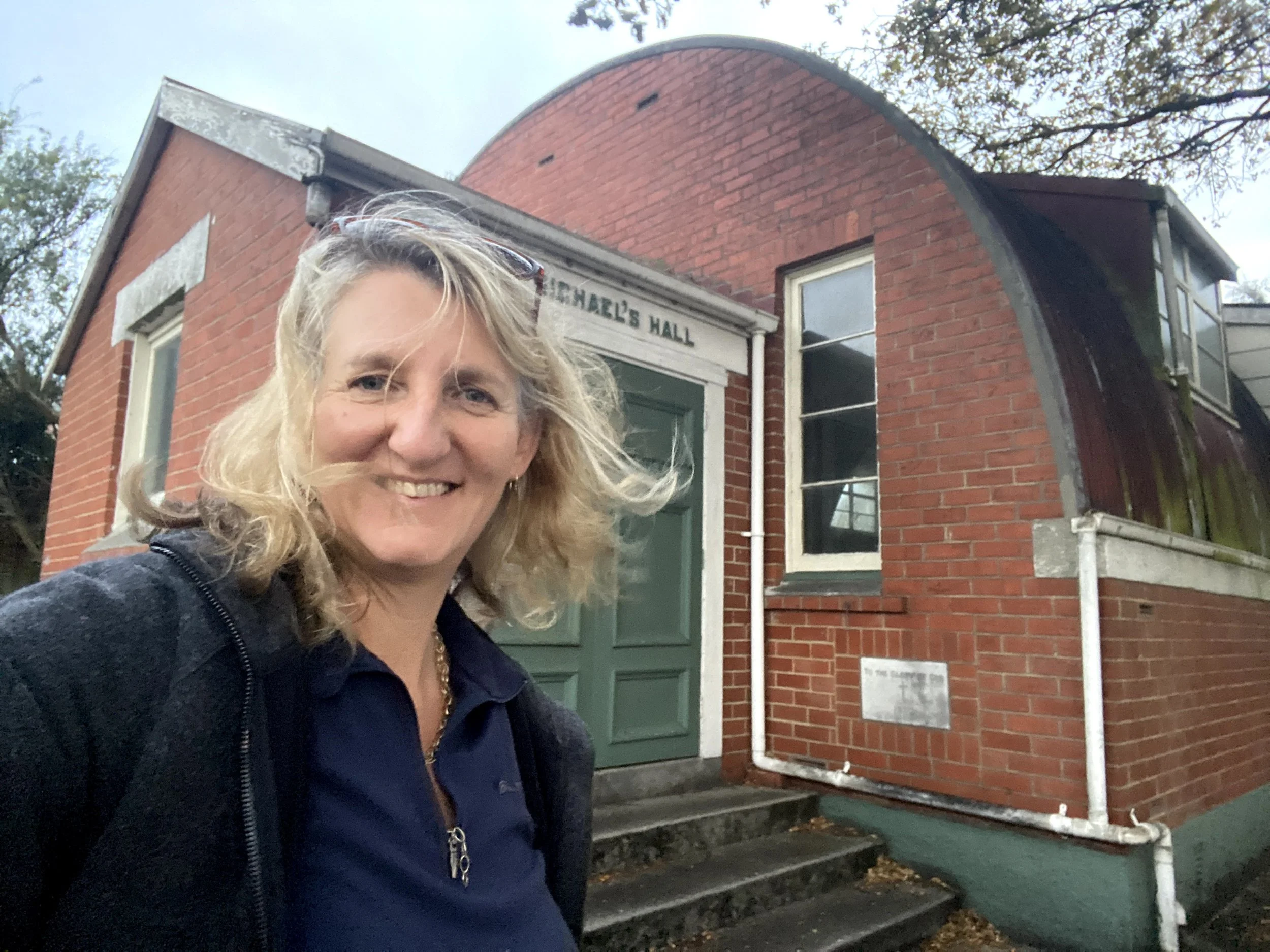
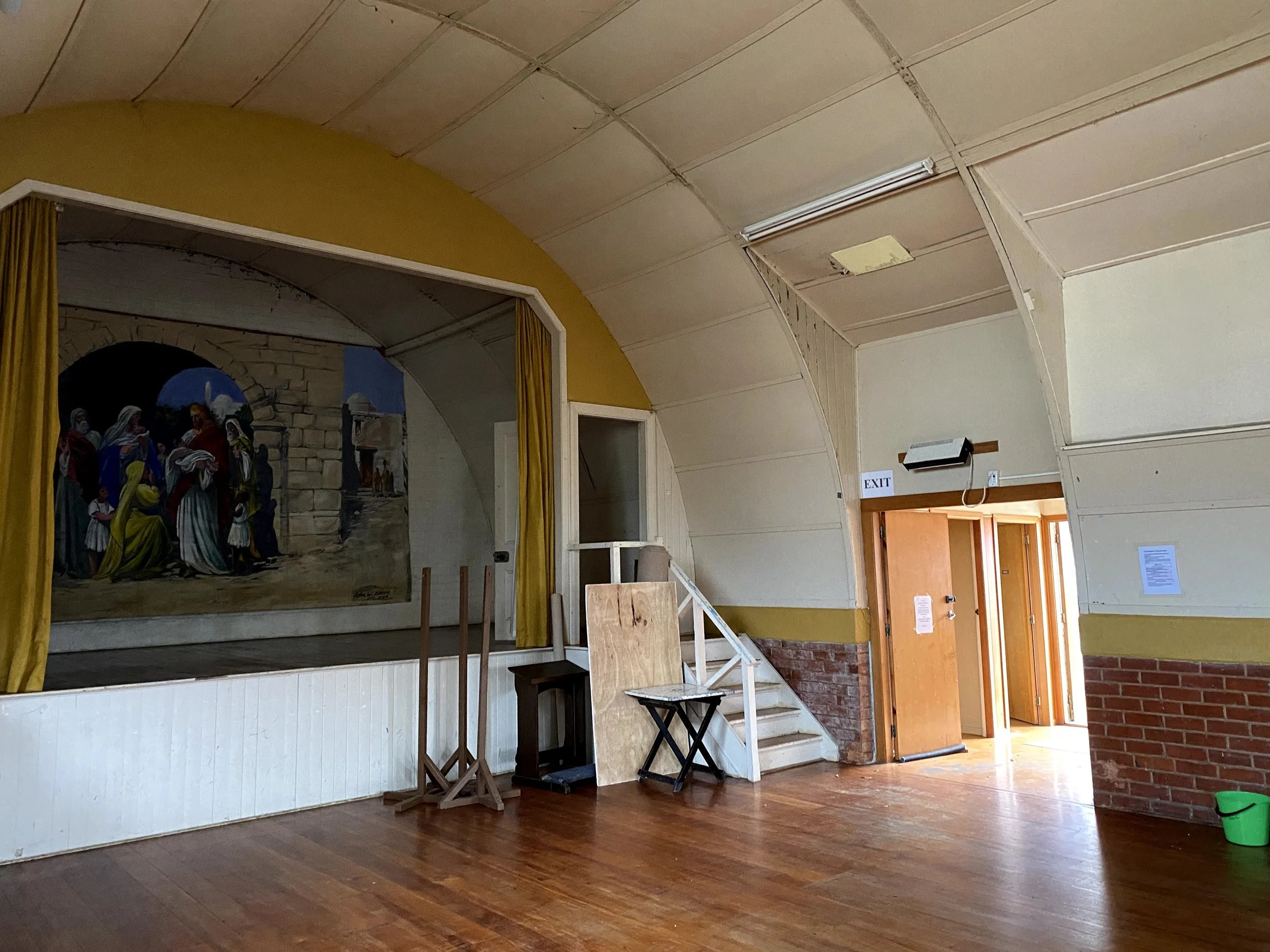
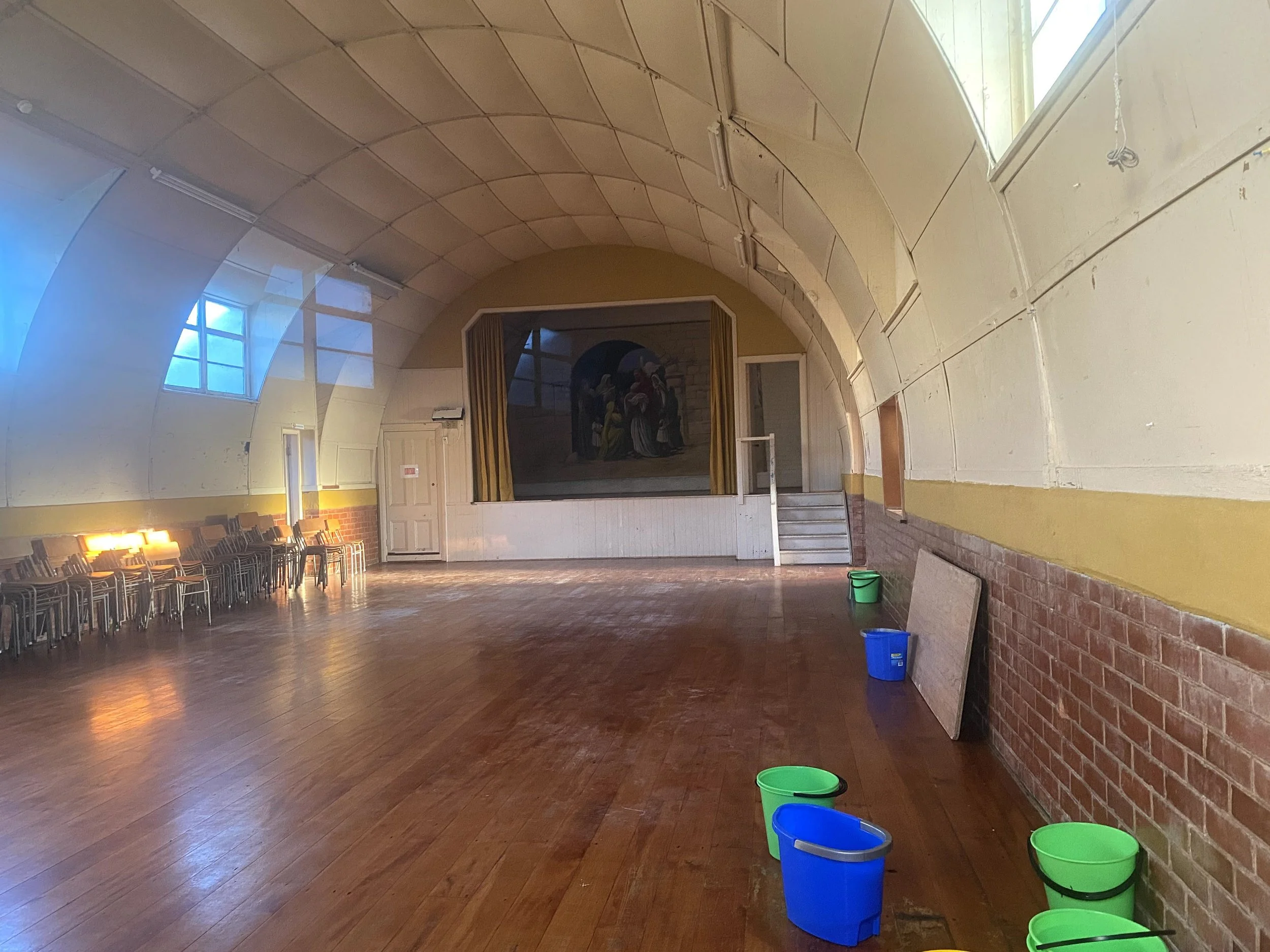
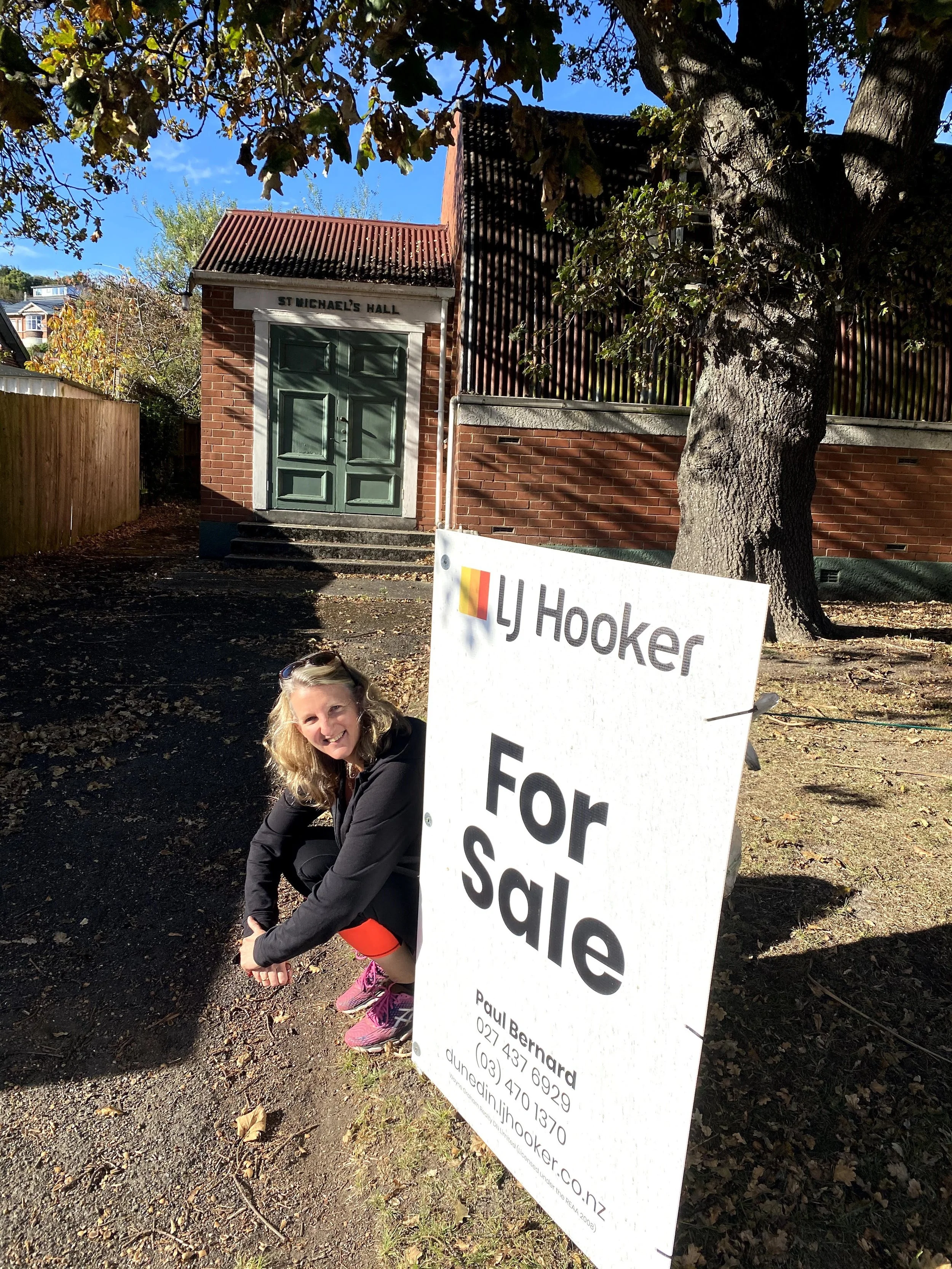
I became a little bit fascinated by the building after my first visit to the property and spent quite some time reading about these amazing huts, their history and their journey from an army engineers’ sketch board, onto mass production. These huts are now found in locations around the world and are still in production today.
I found a lot of super handy info on this Wikipedia website (https://en.wikipedia.org/wiki/Nissen_hut) so if you wanted to do a bit more of a deep dive I’d encourage you to head on over to that site – it also includes a biography which will likely lead you down a few other gloriously delicious rabbit holes.
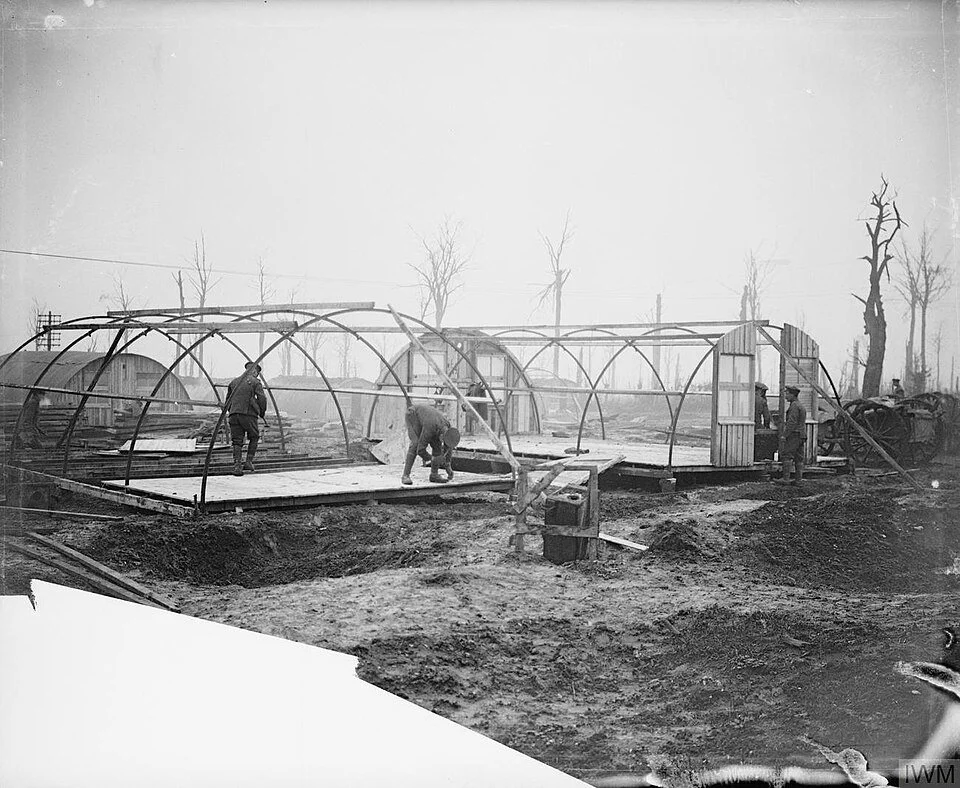
British troops erecting Nissen huts near Bazentin, November 1916

Members of the Queen Mary's Army Auxiliary Corps outside their Nissen hut billets in Rouen, France, 18 June 1918. Note the wartime censorship of the sign on the door.
However, I wasn’t digging for very long before I realised that although the building I had bought was being referred to as a Nissen hut – it fitted more clearly into the description of a ‘Quonset hut’ due to the cavity brick sides and end walls …and the more permanent structure.
Following their initial use as army stores, pop up hospitals and troop accommodation – these huts became popular as an economic solution for schools and church halls along with accommodation for ex-pats (as can be seen in the TV series: ‘10 Pound Poms’).
The Hut that I purchased was built in 1950 to host the 130 children who were part of the church congregation. While it was regularly used for Sunday School classes, it also played host to community events, dance classes, social gatherings, weekend markets, indoor bowls and theatre productions.
I purchased the hall on 500sqm of land in mid 2021. At that time the hall was being used by a Polynesian congregation for Sunday church services… and not much more. The hall was in very poor condition and was far from watertight with around 26 internal leaks – largely the result of roof flashing failure from the 1975 kitchen and bathroom amenities addition on the northwestern side.
The smaller, original lean-to structure at the rear of the property was all but falling down and the weatherboards were rotted and barely hanging onto the frame. The original Rimu floorboards were however, in excellent condition considering the wear (and stilettos) they had endured over the past 70 years.
Here’s some photos of the building I purchased … more about what I started with in the next blog post